Monthly Archives: April 2026
What Our Research Has Revealed About Rural Entrepreneurship Support
By Marci Goodwin, co-founder of SmartStart Business Development Over the past few months, the SmartStart Business Development team has been deep in the weeds researching rural entrepreneurship programs to better understand what is actually happening on the ground with local microbusinesses and how communities support them. Microbusinesses are those with less than 10 employees and […]
By Marci Goodwin, co-founder of SmartStart Business Development
Over the past few months, the SmartStart Business Development team has been deep in the weeds researching rural entrepreneurship programs to better understand what is actually happening on the ground with local microbusinesses and how communities support them.
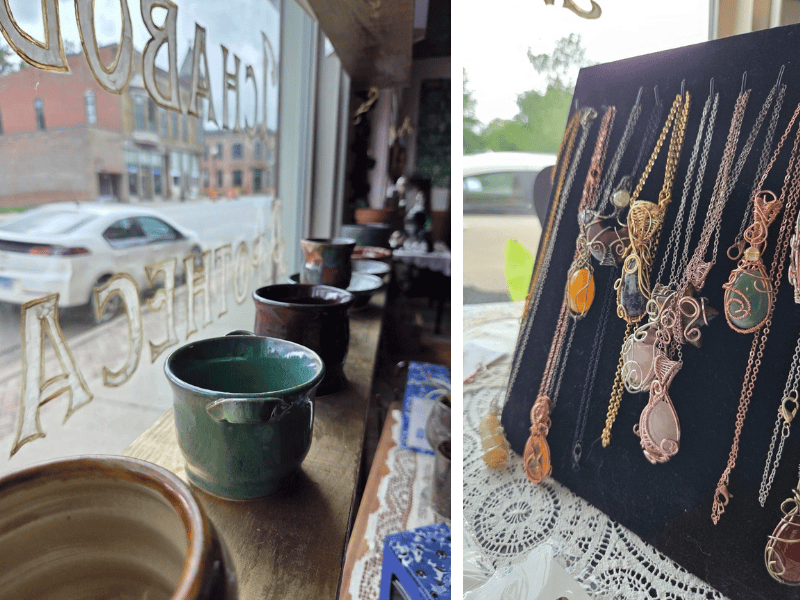
Microbusinesses are those with less than 10 employees and make up 96% of all small businesses in the U.S. These are the mom and pop stores on Main Street, the local hair stylists, and the maker creating jewelry at her kitchen table to see online or in local vendor fairs. These are the businesses that make small communities thrive.
The goal of our deep dive was simple: figure out what’s working, what isn’t working, and where the gaps are. A few patterns quickly became clear.
1. Most rural entrepreneurship programs aren’t designed for microbusinesses
Many initiatives described as entrepreneurship programs are actually designed for a very specific type of entrepreneur: high-growth startups that want to scale quickly. Other programs or initiatives are designed for large employer businesses or businesses who want to scale.
Those programs can absolutely be valuable, but they serve a very small slice of entrepreneurs in rural and small communities — not microbusinesses.
Microbusinesses do not need pitch decks, venture capital, or the business model templates meant for large-scale startups. Start-ups are building for speed, scale, and venture capital investments.
Microbusiness owners are building to bolster or replace their job income and provide goods and services to their communities. They need to know how to build a stable, sustainable business – not how to disrupt industries.
2. Microbusiness programs are usually temporary
In the communities where microbusiness support programs were in place, it often looked like:
- a micro-loan program
- a short training cohort
- access to a business coach during a grant year
- random small business workshops
Each of these can help, but most are pilot programs tied to short-term funding. When the grant ends, the program often disappears — and so does microbusiness support.
Entrepreneurship, however, doesn’t operate on a grant timeline. People explore business ideas, launch ventures, struggle, pivot, adapt, and grow over many years.
Short-term programs can provide helpful sparks, but they rarely create lasting entrepreneurial support systems.
3. Many small business programs focus on space or capital, not business fundamentals
Another pattern we saw repeatedly is that many microbusiness initiatives focus on providing space or capital, but not ongoing business development support.
Communities often invest in:
- shared retail incubators
- commercial kitchens
- coworking spaces
- micro-loan funds
These can all be valuable tools. But many entrepreneurs still struggle with the fundamentals of running a business – like identifying their ideal customers, pricing their products or services, and building a marketing strategy.
Without ongoing guidance in these areas, early investments in space or capital don’t always translate into long-term success. Business owners need to know how to run their business once they are in the space, not just how to access it.
In many cases, a more effective starting point is not building something new, but using what already exists.
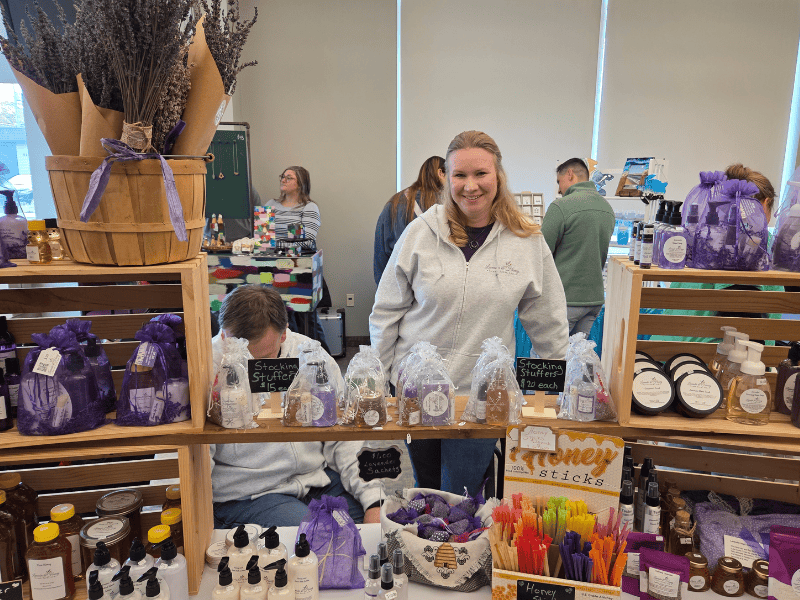
We see this play out in simple, practical ways – microbusiness owners testing products at vendor markets, or selling through shared retail shelves inside existing Main Street shops. These low-cost, real-world environments give entrepreneurs a chance to learn, adapt, and build customers before taking on the risk of a full storefront.
Instead of investing heavily in new incubator spaces, communities can often get better results by creating more of these opportunities for microbusinesses to test and grow within the systems that are already in place.
This could free up more funds for microgrants and microloans for those business owners within the support system who now know how to invest the money wisely in their businesses.
What this tells us
Taken together, these patterns reveal something important.
Many rural and small communities genuinely want to support entrepreneurs, but the programs designed to do that often miss the majority of entrepreneurs who actually exist or aren’t available long enough to make a lasting impact.
Meanwhile, the microbusiness owners who make up the backbone of their communities need practical business education geared toward microbusinesses, guidance, and support that exists over time, not just during a grant cycle.
The bigger opportunity for rural communities
In a recent conversation with Mary Athey, VP of Entrepreneurship at the Southern Minnesota Initiative Foundation, she shared what she’s learned from overseeing the Rural Entrepreneurial Venture (REV) program that perfectly summarizes what we’ve seen as well:
Rural entrepreneurship programs work best when they are embedded in local or regional economic development strategies — not treated as one-off projects.
In most other areas of economic development — workforce development, business attraction, and downtown revitalization — communities have built permanent support systems and institutions, not just short-term programs.
Workforce development has workforce boards, training institutions, and ongoing funding streams. Business attraction has dedicated economic development organizations, marketing strategies, and incentive structures. Downtown revitalization has long-term programs like Main Street America that provide ongoing coordination, promotion, and business support.
These efforts are not treated as temporary experiments. They are embedded into how communities approach economic development.
Microbusiness support, however, rarely has the same level of permanent infrastructure with a cohesive system behind it. Instead, it is often delivered through short-term projects that appear for a year or two and then disappear when funding runs out.
Questions worth asking
Microbusinesses are the backbone of the rural economy and make up 96% of all small businesses. We discussed their economic impact here.
These entrepreneurs need support beyond random workshops and a website full of links and videos with no direction.
Entrepreneurship isn’t like a job that you start and stop in a specific timeframe. People need support when they explore a business idea, launch their business, struggle, pivot, and grow. Those needs don’t happen on a grant timeline.
This raises important questions for communities:
- Are we launching one-off entrepreneurship or microbusiness projects, or building systems that support entrepreneurs over time?
- What would it look like if supporting microbusinesses became a permanent part of our local, regional, or statewide economic development strategy?
Let’s Talk Newspapers: Working Together Locally
Hometown newspapers are small businesses, just like the hardware store, the cafe, or the auto repair shop. They’re not just “media.” They’re employers, sponsors, storytellers, and neighbors, and their work ripples through every corner of the community. This year, collaboration is a focus of ours at SaveYour.Town, and I want to talk about how newspapers […]
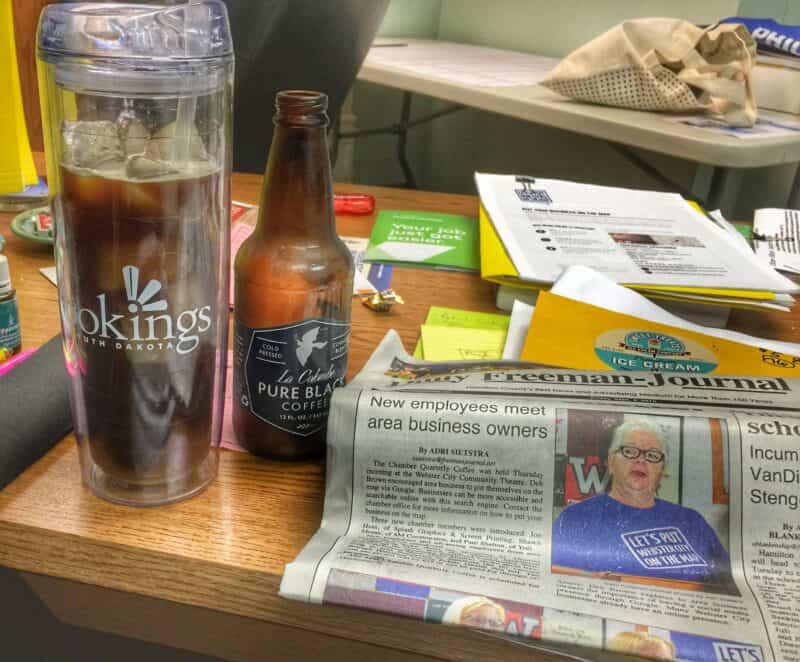
Hometown newspapers are small businesses, just like the hardware store, the cafe, or the auto repair shop. They’re not just “media.” They’re employers, sponsors, storytellers, and neighbors, and their work ripples through every corner of the community.
This year, collaboration is a focus of ours at SaveYour.Town, and I want to talk about how newspapers and local businesses can truly work together. Both sides bring value. Your newspaper can be an incredible resource for your business, and your support helps keep local journalism strong.
Use Your Local Paper as a Valuable Resource
Share Your Press Releases
Newspapers still do something better than almost anyone else: they get local information in front of local people. When you’ve got something to share—a new product, an event, a success story—send a press release to every paper you can: your hometown, nearby towns, and regional outlets.
A good advertising department won’t just print your story, they’ll help you build on it. They might mock up ads, stop by your business, or help turn that small piece of news into a bigger presence. Local stories and local advertising work hand in hand, keeping attention, dollars, and pride right where they belong: in your community.
If they don’t do this automatically, you can do it yourself: mockup your own ad and ask about it when carrying the press release.
Photos Make that the Newspaper Make Everyone Smile
In one small town, the local newspaper ran photos of everyone who bought a seat in the Save the Webster Theater fundraiser. People cut out their pictures, shared them, and proudly showed them off. That’s the magic of local journalism—it celebrates people, connects neighbors, and turns ordinary moments into community pride.
No social media algorithm can do that. Only someone who knows the people and the place can.
What could you do like that in your community?
Newspapers Fit in the New Way to Market
Marketing in newspapers used to be the way to reach your audience. Now, it’s part of a mix that includes social media, email newsletters, and websites. Successful newspapers have adapted; they’re publishing both online and in print, meeting readers where they are.
Your local paper might even offer digital ads, social media promotions, or direct marketing campaigns. Those “new ways” are built on the trust and relationships newspapers have earned over decades. Going digital doesn’t replace print—it expands your reach while keeping your connection local.
Collaboration, Not Just Ads
Your hometown paper already captures the heartbeat of your community—business updates, church events, reunions, and celebrations. Now’s the time to think about how to collaborate more deeply.
How can your business and your newspaper co-create campaigns, share stories, and build relationships that last? When you work together, everyone benefits. The stories are richer, the economy is stronger, and the sense of pride runs deeper.
Supporting your local newspaper is part of “shop local.” A town that values its local news invests in its own future. When local media lose revenue, you feel it—in fewer stories, less coverage, and fewer opportunities to connect. Supporting your paper means investing in your town’s voice—and your business benefits from that, too.
How Newspapers Can Be Better Local Businesses
Tell Your Own Story
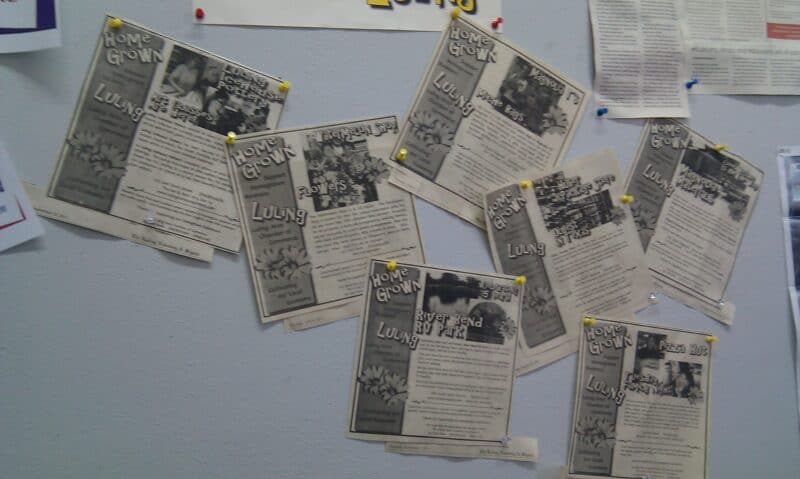
Newspapers can strengthen their community connection by telling their own story. Don’t assume people know what you do—show them.
- Share the range of what you cover, from birthdays and sports to civic meetings.
- Introduce your team so readers can connect faces to bylines.
- Celebrate your achievements and update readers on what’s next.
- Use your website and social channels to share more stories beyond print.
Many of you already show up at council meetings, Friday night games, and ribbon cuttings. You share obituaries, honor rolls, and community milestones—let us know where to find those stories online, too.

Make It Easy to Work With You
A simple “Work With Us” webpage or one-sheet can make advertising easier for local businesses. Include who your readers are, which sections perform best, and when seasonal peaks happen. That turns your newspaper from “a place to buy ads” into “a partner that helps small businesses grow.”
Here’s what could go on that page or a simple one-sheet:
- Who reads your paper: top age ranges, key ZIP codes, and the most popular sections.
- When they read it: weekday vs. weekend audience.
- Which sections work best for which audiences: weekend features for families, sports for local fans, business page for professionals.
- Seasonal spikes: back-to-school, holidays, elections, big local events—so advertisers can time their campaigns.
Go Deeper with Small Businesses
Small businesses and newspapers need each other. Let’s move beyond “Do you want to buy an ad?” and instead ask, “How can we work together long-term?”
Try things like:
- Basic ad-planning sessions
- Sit down with businesses and help them:
- Define their ideal customer using your readership data.
- Choose the right sections and days.
- Set a realistic frequency so the message has time to work.
- “Track-with-us” packages Don’t just run ads—help track what happens. Include:
- A clear call-to-action (bring in this coupon, scan this QR code, visit this URL).
- A unique coupon, QR code, or URL for that campaign.
- A simple tracking sheet or shared dashboard.
- A short results review at the end: what worked, what didn’t, and what to try next.
- Reader surveys for advertisers. Run occasional sponsored questions like:
- “Where do you shop for gifts?”
- “Which restaurants do you visit most often?” This engages readers and gives advertisers insight they cannot get from a generic online dashboard.
These steps can turn newspapers from simple ad vendors into trusted community partners and problem-solvers.
Shop local is even more important these days. And that includes your local newspaper.
The Treasure Hunt Economy: exciting retail experience for small towns

Guest Post by Jason Duff, Small Nation I’ve been noticing something interesting happening across the small towns we work in, and I don’t think it’s temporary. In a time where inflation is still pinching wallets, customers aren’t just spending less, they’re shopping differently. They’re hunting. Not just for cheap, but for value, uniqueness, and the […]
Guest Post by Jason Duff, Small Nation

I’ve been noticing something interesting happening across the small towns we work in, and I don’t think it’s temporary. In a time where inflation is still pinching wallets, customers aren’t just spending less, they’re shopping differently.
They’re hunting. Not just for cheap, but for value, uniqueness, and the thrill of the find.
You see it everywhere right now. Packed thrift stores, vintage shops turning inventory weekly, overstock and pallet stores with lines out the door, and pop-ups and bin sales creating urgency and buzz.
This isn’t just about saving money. It’s about experience and value colliding.
I call it the “Treasure Hunt Economy.”
Customers want the thrill of the deal, the unexpected find, and the feeling that they won the purchase.
You just need a dedicated experience within your store.
Just Uneeq is one of the retailers who has exercised discounts and sales and a section of their store and at times their Facebook page to run a unique deal, special or sale.
A Robbin’s Nest also has a section of their store, offering discounts on seasonal items and home décor at 50% off or more.
Here are a few simple plays I’m seeing work right now.
- Create a clearly defined “deal zone” with your best values, markdowns, or one-off buys.
- Rotate it often, because the magic isn’t just the price, it’s the change and the reason to come back.
- Mix in the unexpected, whether that’s closeouts, local maker items, samples, returns, or vintage pieces, and make it feel like a true discovery zone.
- Make it visible and branded. Don’t hide it in the back corner. Call it something fun that fits your space.
- And finally, price it to move.
This section isn’t about maximizing margin. It’s about driving traffic, creating energy, and building momentum. In small towns, where word travels fast, that feeling spreads even faster.
About the guest author
Jason Duff is the Founder of Small Nation. He leads the Small Nation team in developing places, spaces and dreams for small towns and small town entrepreneurs across the country. The 4th generation of a family of entrepreneurs, he started his own businesses before leading a team that has completely revitalized the city of Bellefontaine, Ohio, population 14,000. Read more about how Jason and team did it at Small Nation.
Review of The Idea Friendly Guide book by Becky McCray

Thank you to Paula Jensen, one of our contributors, for sharing her thoughts on my book, The Idea Friendly Guide. I’m particularly honored because Paula has worked and lived in rural communities for decades. She sees and understands small towns in a way that few people do. She liked the guide so much, she ordered copies […]
Guest post by Mark Gross, A Cheerful Giver
I run A Cheerful Giver out of Elmer, New Jersey. The population is about 1,300. We make candles. Been at it since 1991.
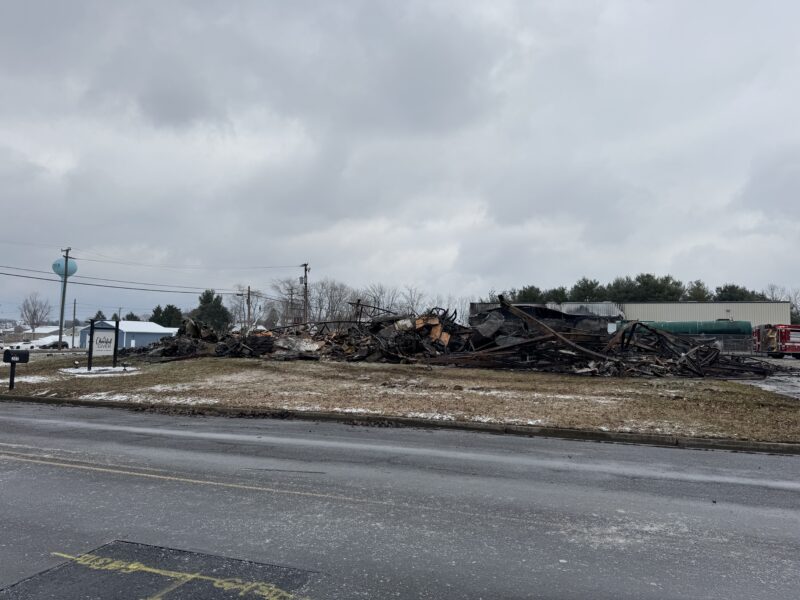
January 11, 2025, I got the phone call. Our building was on fire. Two-alarm. They had to bring in trucks from Gloucester County to help put it out. By morning there was nothing left. Thirty-something years of equipment, raw materials, finished product. Gone.
So yeah. That happened.
The first call I made wasn’t to the insurance company
I picked up the phone and started calling our workers.
 We have a partnership with CODI that goes back over 20 years. Adults with special needs hand-wick every candle we sell. That’s not a marketing line. That’s literally how our candles get made. These people are part of our operation.
I had to tell them we still had a company. That they still had work. Honestly, I wasn’t totally sure how we were going to make that true yet, but I said it anyway. Figured we’d work out the details later.
Turned out to be the right call.
The immediate support I didn’t see coming
Orders started rolling in within days. Not normal orders. People buying candles because they heard about the fire and wanted to keep us going. Retailers calling to say they weren’t going anywhere and to take whatever time we needed.
I wasn’t expecting that. But looking back it makes sense. We spent 30 years putting out a product we were proud of. We load our candles with fragrance. We don’t cheap out on materials. We never have. So when the building burned down, people felt like they had a stake in us making it back.
You can’t fake that kind of loyalty. You either built it already or you didn’t. We got lucky that we had.
Getting back to work without a building
Some people would have spent six months planning the comeback. Drawing up blueprints, ordering equipment, getting everything perfect before making a single candle.
We didn’t do that. We cobbled things together. Found space. Got creative. Started pouring candles however we could. It was ugly and it was definitely not how we’d normally operate. But we had orders to fill and people counting on us.
Customers don’t care if your setup is perfect. They care if you’re still open. So we were.

What nobody tells you about rebuilding, long-term
The hardest stretch wasn’t the first week. The first week you’re running on adrenaline, people are rallying around you and it actually feels kind of hopeful.
The hard part is month three, month four. When you’re grinding every day, costs are through the roof, revenue is half what it used to be, and nobody’s writing news stories about you anymore. That’s when it gets lonely.
I don’t have any great wisdom for that part. I just showed up every day and made candles. Some days that’s all you can do.
What I wish I’d done before the fire
Real talk. If I could go back:
Write everything down. How we mixed our fragrances, which suppliers we used, how the equipment was set up. All of that lived in people’s heads. When the building burned, we had to reconstruct it from memory. That was brutal.
Read your insurance policy. Not skim it. Actually sit down with your agent and ask hard questions. If the whole place is gone tomorrow, what exactly happens? You want that answer before you need it.
Build your online sales now, not later. We had a strong wholesale business but when production slowed down, our website, Amazon, and TikTok Shop kept money coming in. If those channels had been bigger before the fire we would have been in much better shape during the rebuild.
Keep a backup supplier list. When you need materials fast you can’t spend three weeks finding vendors. Have the names and numbers ready before you ever need them.

Where things stand now
It’s early 2026 and honestly we might have our best year yet. We’re shipping to thousands of stores around the country and our CODI team is back doing what they do best.
The fire was the worst thing that ever happened to this company. But we came out the other side. Not because we had some brilliant plan. Because we had good people, a good product, and customers who gave a damn.
If you’re dealing with your own disaster right now, all I can say is keep showing up. It’s not glamorous advice. But it’s the only advice I’ve got that I know actually works.
Mark Gross is one of the owners of A Cheerful Giver, a candle manufacturer based in Elmer, New Jersey. Founded in 1991, A Cheerful Giver produces over 1,400 fragrances and partners with CODI to employ adults with special needs. Visit acheerfulgiver.com.
How a Two-Alarm Fire Almost Ended Our 30-Year Candle Business, But Didn’t

Guest post by Mark Gross, A Cheerful Giver I run A Cheerful Giver out of Elmer, New Jersey. The population is about 1,300. We make candles. Been at it since 1991. January 11, 2025, I got the phone call. Our building was on fire. Two-alarm. They had to bring in trucks from Gloucester County to […]
Guest post by Mark Gross, A Cheerful Giver
I run A Cheerful Giver out of Elmer, New Jersey. The population is about 1,300. We make candles. Been at it since 1991.
January 11, 2025, I got the phone call. Our building was on fire. Two-alarm. They had to bring in trucks from Gloucester County to help put it out. By morning there was nothing left. Thirty-something years of equipment, raw materials, finished product. Gone.
So yeah. That happened.
Photo provided by Mark Gross.
The first call I made wasn’t to the insurance company
I picked up the phone and started calling our workers.
We have a partnership with CODI that goes back over 20 years. Adults with special needs hand-wick every candle we sell. That’s not a marketing line. That’s literally how our candles get made. These people are part of our operation.
I had to tell them we still had a company. That they still had work. Honestly, I wasn’t totally sure how we were going to make that true yet, but I said it anyway. Figured we’d work out the details later.
Turned out to be the right call.
The immediate support I didn’t see coming
Orders started rolling in within days. Not normal orders. People buying candles because they heard about the fire and wanted to keep us going. Retailers calling to say they weren’t going anywhere and to take whatever time we needed.
I wasn’t expecting that. But looking back it makes sense. We spent 30 years putting out a product we were proud of. We load our candles with fragrance. We don’t cheap out on materials. We never have. So when the building burned down, people felt like they had a stake in us making it back.
You can’t fake that kind of loyalty. You either built it already or you didn’t. We got lucky that we had.
Getting back to work without a building
Some people would have spent six months planning the comeback. Drawing up blueprints, ordering equipment, getting everything perfect before making a single candle.
We didn’t do that. We cobbled things together. Found space. Got creative. Started pouring candles however we could. It was ugly and it was definitely not how we’d normally operate. But we had orders to fill and people counting on us.
Customers don’t care if your setup is perfect. They care if you’re still open. So we were.
What nobody tells you about rebuilding, long-term
The hardest stretch wasn’t the first week. The first week you’re running on adrenaline, people are rallying around you and it actually feels kind of hopeful.
The hard part is month three, month four. When you’re grinding every day, costs are through the roof, revenue is half what it used to be, and nobody’s writing news stories about you anymore. That’s when it gets lonely.
I don’t have any great wisdom for that part. I just showed up every day and made candles. Some days that’s all you can do.
What I wish I’d done before the fire
Real talk. If I could go back:
Write everything down. How we mixed our fragrances, which suppliers we used, how the equipment was set up. All of that lived in people’s heads. When the building burned, we had to reconstruct it from memory. That was brutal.
Read your insurance policy. Not skim it. Actually sit down with your agent and ask hard questions. If the whole place is gone tomorrow, what exactly happens? You want that answer before you need it.
Build your online sales now, not later. We had a strong wholesale business but when production slowed down, our website, Amazon, and TikTok Shop kept money coming in. If those channels had been bigger before the fire we would have been in much better shape during the rebuild.
Keep a backup supplier list. When you need materials fast you can’t spend three weeks finding vendors. Have the names and numbers ready before you ever need them.
Photo provided by Mark Gross
Where things stand now
It’s early 2026 and honestly we might have our best year yet. We’re shipping to thousands of stores around the country and our CODI team is back doing what they do best.
The fire was the worst thing that ever happened to this company. But we came out the other side. Not because we had some brilliant plan. Because we had good people, a good product, and customers who gave a damn.
If you’re dealing with your own disaster right now, all I can say is keep showing up. It’s not glamorous advice. But it’s the only advice I’ve got that I know actually works.
Mark Gross is one of the owners of A Cheerful Giver, a candle manufacturer based in Elmer, New Jersey. Founded in 1991, A Cheerful Giver produces over 1,400 fragrances and partners with CODI to employ adults with special needs. Visit acheerfulgiver.com.
Archives
- September 2026
- August 2026
- June 2026
- May 2026
- April 2026
- March 2026
- February 2026
- January 2026
- November 2025
- October 2025
- June 2025
- April 2025
- March 2025
- February 2025
- December 2024
- October 2024
- September 2024
- August 2024
- June 2024
- May 2024
- April 2024
- March 2024
- January 2024
- December 2023
- November 2023
- October 2023
- September 2023
- August 2023
- July 2023
- June 2023
- May 2023